


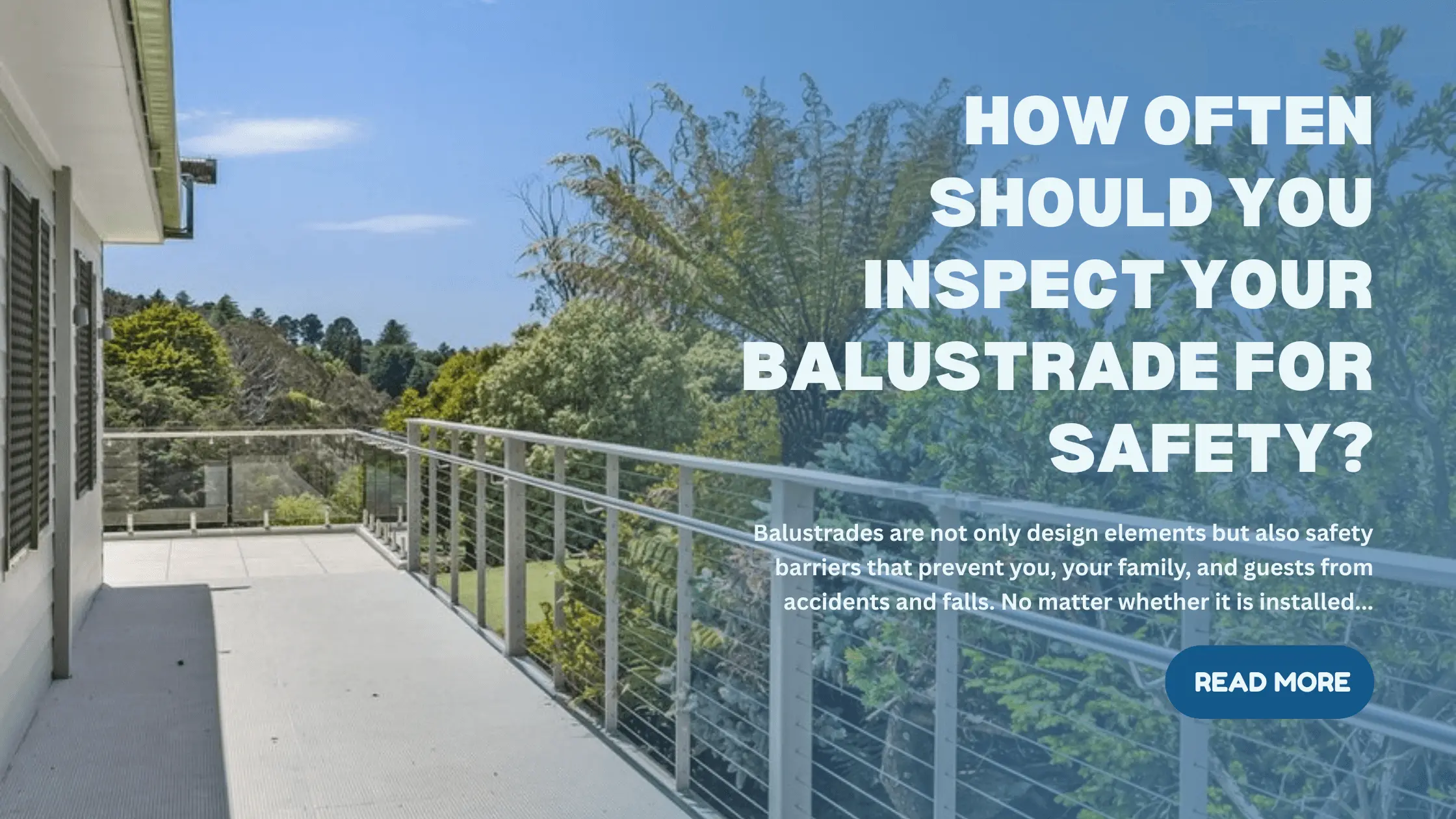
Balustrades are not only design elements but also safety barriers that prevent you, your family, and guests from accidents and falls. No matter whether it is installed on decks, balconies, or stairs, a well-maintained balustrade will ensure structural soundness and compliance with Australian safety standards.
However, with the harsh weather, the constant usage, and the natural aging can eventually impact even the strongest materials, causing them to lose their strength over time. The primary question here is: how often should one check the balustrade for safety?
For the people living in Australia looking for a trustworthy balustrade Sydney NSW, knowing the inspection schedules and the warning signs is crucial for safety and compliance.
Why Regular Balustrade Inspections Are Essential
In Australia, the occurrence of accidents due to the collapse of balconies or balustrades is a tragic reality. According to several building safety assessments, decayed fixings, corrosion, and non-compliance in installation as the main reasons for the loss of structural integrity. The Building Code of Australia (BCA) and the associated standards, such as AS 1170 (Structural Design Actions) and AS 1657 (Fixed Platforms, Walkways, Stairways, and Ladders), are incredibly strict about the requirements for height and strength of the balustrades.
A balustrade that meets the safety standards in balustrade Sydney NSW must be:
- 1 metre high for balconies or decks that are more than 1 metre above ground.
- Able to hold a horizontal load of at least 0.6kN without any breakage.
- Made of materials that last like stainless steel, aluminium, glass, or treated timber.
Over the years, factors such as corrosion, moisture, and UV radiation exposure can erode these safety margins. Because of this, regular inspection and maintenance are extremely important.
How Often Should You Inspect Your Balustrade?
For the residential locations of Sydney NSW, balustrades should be inspected at least once a year. However, a few conditions demand inspecting balustrades more often:
- Coastal Areas: Salt-laden air speeds up the corrosion, particularly for the stainless steel and aluminum structures. Inspection after every six months is recommended.
- Commercial buildings: Heavy foot traffic and usage mean daily wear and tear, so checking every three months is a must.
- Older buildings (10+ years): Buildings that are more than 10 years old require a yearly professional assessment as a necessity, although no deterioration is visible.
After a severe weather incident, such as heavy rain, storm, or wind, a check is also needed, along with regular inspections. Such conditions might cause the fittings to get loose or water to enter, which will weaken the internal supports.
What to Look for During a Balustrade Inspection
Whether you’re doing a visual inspection or hiring professionals like ARM Balustrade, the following areas should always be examined:
The following areas should be inspected in every case, whether you are performing a visual inspection yourself or getting professionals such as ARM Balustrade on board:
-
Corrosion and Rust
In coastal areas, metal balustrades are at a very high risk of corrosion. The joints, bolts, and welds must be checked for rust or discolouration. With glass and aluminum systems, look for oxidation or pitting.
-
Loose Fixings or Movement
Grab the handrail and give it a light push. If it shakes, rocks, or makes a noise, then it is a sign that the fittings have become loose or there is a structural instability. Loose fittings must be promptly tightened or replaced.
-
Glass and Panel Integrity
If your railing has glass panels, inspect them for any possible damage, like cracks, chips, or delamination. Compromised panels should be changed with certified safety glass that complies with AS 1288 standards.
-
Timber Deterioration
Wooden balustrades should be inspected for rot, warping, or pest infestation. Regularly apply water-repellent coatings, and always keep the bottom of the posts a few inches above the ground.
-
Height and Gap Compliance
Even after renovations or flooring upgrades, make sure the height remains at least 1 meter. The gap between vertical or horizontal components should not exceed 125mm to eliminate the risk of climbing, especially for kids.
Professional vs. DIY Inspection
Homeowners conducting a brief visual examination can be considered a nice initial measure, but a professional inspection brings to light the hidden problems. Forensic and structural engineers can examine internal decay, the capacity of the structure to support the load, and adherence to BCA standards.
Engaging experienced balustrade suppliers Sydney can also help to determine whether repair or replacement is less expensive in the long run than continual fixes. They can assess how long the materials will last and provide documentation for the building’s compliance. This professional assessment is vital for large corporate firms or property managers.
Final Thoughts
Though your balustrade is not the most prominent feature of your place, it still performs one of the most important functions of protecting you and your family. Regular checks not only ensure the safety of your family and property but also prove compliance with the Australian building code.
ARM Balustrade is one of the leading balustrade suppliers Sydney that designs, manufactures, and maintains high-quality balustrades in Sydney NSW, and its suburbs. The robustness, aesthetics, and safety of our products are tested and guaranteed by the pertinent regulations.
Browse through the selection of balustrade Sydney NSW from our website and get the personalised services that fit your requirements.